What is CranioSacral Therapy?
CranioSacral therapy is a gentle, light-touch treatment that works with balancing the natural rhythm and structure of the cranium and sacrum.
The brain and spinal cord are surrounded and protected by a gentle, flexible membrane called the dura. This membrane connects the head, spine, and tailbone (sacrum). The skull and sacrum naturally move together in a subtle rhythm that helps circulate cerebrospinal fluid. This is fluid that nourishes and supports the brain and nervous system.
When this system is working well, the fluid flows smoothly and the nervous system can do its job more easily. Stress, birth strain, injuries, or tension in the body can affect this movement and create imbalances. A craniosacral evaluation gently checks how the bones of the head and sacrum are moving and looks for areas of restriction.
By helping restore balance and ease to this system, craniosacral work can reduce stress on the nervous system. When this system is functioning well, the fluid flows smoothly, and the nervous system can do its job more easily. This helps the body handle stress, process information, coordinate movement, and respond to the world around it.
CranioSacral Therapy for Children
During birth, a baby’s skull is designed to be flexible. The bones of the cranium are connected by soft sutures and fontanelles that allow the head to gently overlap and compress as the baby moves through the birth canal. This natural process, called molding, helps make birth possible. In most cases, the skull reshapes itself within the first week after birth.
At this early stage, a child’s nervous system is protected more by soft cartilage and membranes than by fully formed bone. The skull remains very adaptable during infancy and early childhood so it can adjust as the brain grows rapidly. In fact, a baby’s brain grows to about 2½–3 times its birth size during the first year alone and continues developing quickly during the first three years of life.
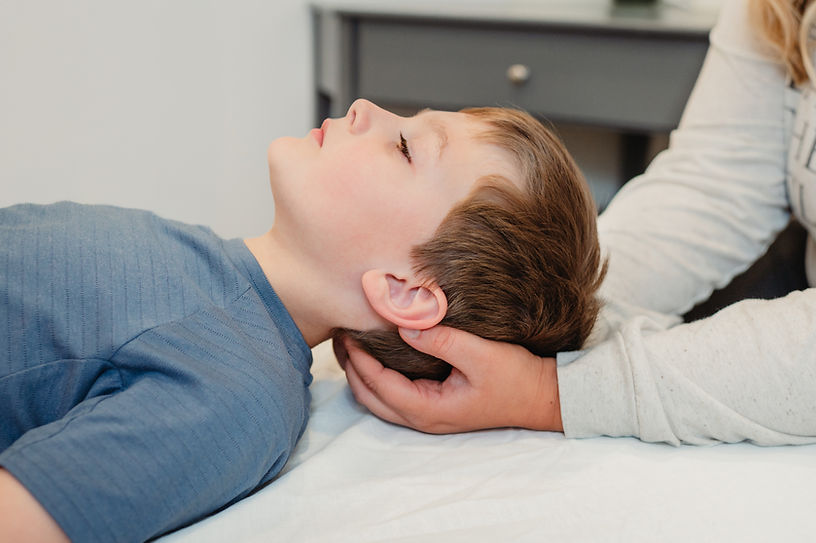
CranioSacral therapy uses gentle, hands-on techniques to support the natural movement and balance of the skull and nervous system. It can help address lingering tension or imbalances that may occur during birth or after a head injury — even one that seems minor. Supporting balance early can be especially helpful during periods of rapid growth and development.
By around age six, approximately 90% of neurological development and brain connections are established. This includes the foundations for movement, coordination, and sensory processing. When stress or tension affects development, children may adapt by creating compensatory movement or behavior patterns. Over time, these patterns can place added stress on the body and nervous system. Gentle support early in life may help reduce the need for these compensations as a child grows.
Parents often seek CranioSacral therapy to support their child’s nervous system, growth, and overall well-being.
Common reasons children may benefit include:
Difficulty with coordination, balance, or motor skills
Sleep difficulties or trouble settling at night
Sensory sensitivities or challenges with processing sights, sounds, or touch
Jaw tension, teeth clenching, or grinding
Behavioral or attention concerns, including support for ADD/ADHD
Recovery after falls, bumps, or mild head injuries
Emotional stress, anxiety, or difficulty coping with transitions
Chronic tension in the neck, shoulders, or back
Support for posture, flexibility, or movement habits
Craniosacral Therapy for Adults
Craniosacral therapy is not only beneficial for children — adults of all ages also seek this gentle approach to help manage stress, tension, and physical discomfort. Daily life, injuries, emotional stress, and long-standing posture patterns can all place strain on the nervous system over time.
By gently supporting balance in the craniosacral system, this therapy can help the body relax, release tension, and function more efficiently. Many adults find craniosacral therapy deeply calming and restorative. One of the most recognized benefits is its calming effect on the nervous system. By helping the body shift out of a constant “fight or flight” state, this gentle technique supports relaxation, healing, and improved overall well-being for both children and adults.
Adults may seek craniosacral therapy for a variety of concerns, including:
-
Chronic stress or nervous system overload
-
Headaches or migraines
-
Jaw pain or TMJ concerns
-
Neck and back tension
-
Difficulty sleeping
-
Anxiety or feeling “stuck” in a stressed state
-
Recovery after concussions or head injuries
-
Support during pregnancy or postpartum